
Systems Thinking Lab - Housing Tiny Homes & The Future Of Cairns
Irene Portelli • February 24, 2026
🎯 Challenge Question Why Are Rents So High In Cairns — And How Could Tiny Houses Change The System?
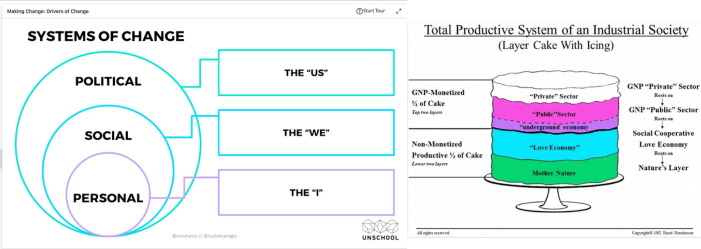
🌏 Step 1: What Is a System?
Using Leyla Acaroglu’s approach:
A system is:
A set of interconnected nodes that produce patterns of behaviour over time.
We don’t focus on events.
We focus on relationships.
Housing prices are not an event.
They are an outcome of system structure.
🧩 Step 2: Identify the Nodes
Students work in groups to list all the “nodes” in the Cairns housing system.
Examples of nodes:
• Builders
• Developers
• Land prices
• Banks
• Rental laws
• Vacancy rate
• Investors
• Single-person households
• Birth rate
• Local council planning rules
• Infrastructure costs
• Tiny house approvals
• Construction materials
• Energy costs
• Climate risk
• Wages
• Tourism demand
Write each node on a separate sticky note.
These are not opinions.
They are components of a system.
🔗 Step 3: Map Relationships (Arrows, Not Opinions)
Now students connect nodes with arrows.
Example:
Low Vacancy → Higher Rents
Higher Rents → Attract Investors
Investors → Reduced Owner Occupier Stock
Reduced Stock → Low Vacancy
That’s a reinforcing loop.
Leyla calls this:
Mapping cause-and-effect chains instead of blaming individuals.
We’re not asking:
“Who caused it?”
We’re asking:
“What structure produces it?”
🔁 Step 4: Identify the Archetype
Using Disruptive Design systems archetypes, ask:
Is this:
• Fixes that Fail?
• Success to the Successful?
• Shifting the Burden?
• Tragedy of the Commons?
In housing, we often see:
🏆 Success to the Successful
Investors gain equity → buy more property → increase asset concentration → limit access for first buyers → investors gain more equity.
The system rewards those already positioned.
Recognising the archetype helps us design smarter interventions.
🏡 Step 5: Introduce a Disruptive Variable
Now introduce:
Tiny Homes / Right-Sized Housing
Ask:
If we increase small-dwelling approvals, what changes?
Students redraw arrows.
Tiny Homes → Increased Supply [passive houses]
Increased Supply → Higher Vacancy
Higher Vacancy → Reduced Rent Pressure
This creates a balancing loop.
Leyla’s method asks:
Does this intervention change:
• The structure?
• The incentives?
• Or just the symptoms?
🎯 Step 6: Identify Leverage Points (Donella Meadows + Disruptive Design)
Students now look for:
🔹 Low Leverage
• Subsidies
• Grants
• One-off programs
🔹 Medium Leverage
• Planning rule changes
• Fast-track approval processes
• Builder incentives
🔹 High Leverage
• Changing system goals (Housing as infrastructure vs housing as asset)
• Changing profit structures
• Changing financing models
• Changing Building Codes
Ask:
Which level does tiny housing operate at?
Which level does rent caps operate at?
Which level does demographic change operate at?
📉 Step 7: Add Demographic Reality
Declining birth rate is a structural shift.
More:
• Singles
• Separated households
• Downsizers
Ask students:
Is the housing production system aligned with demographic reality?
If not, that mismatch is a leverage opportunity.
Leyla calls this:
Designing for reality, not legacy assumptions.
🌱 Step 8: Add Environmental Science (STEEM)
Now integrate Environmental Science:
Large homes:
• More embodied carbon
• More land clearing
• More infrastructure load
Tiny homes:
• Lower material throughput
• Lower energy demand - passive housing.
• Smaller ecological footprint
Ask:
Can we solve cost-of-living and environmental stress with the same intervention?
If yes, that is a systems alignment opportunity.
🗳 Step 9: Elections as Leverage Windows
Elections are moments where:
• System goals can shift
• Rules can be rewritten
• Incentives can be redesigned
With:
• Local elections
• State elections
• Federal elections
• 500,000+ Gen Z entering eligibility
Ask:
If young voters prioritise housing reform,
does that change the system goal?
That is high-level leverage.
🔬 Final Challenge: Design a Disruptive Intervention
Each group must:
1️⃣ Identify one reinforcing loop causing rental pressure
2️⃣ Identify one leverage point
3️⃣ Design a tiny housing or planning intervention
4️⃣ Predict unintended consequences
5️⃣ Map how it changes the system
They must present:
• The nodes
• The arrows
• The leverage point
• The intended shift
💡 Closing Insight for Students
Systems thinking teaches:
Housing crisis ≠ individual failure
Housing crisis = structural outcome
Tiny homes are not a trend.
They are a structural variable.
When demographic change, environmental limits, and economic pressure align, the system must evolve.
Your role is not to complain about the system.
Your role is to map it.
And redesign it.
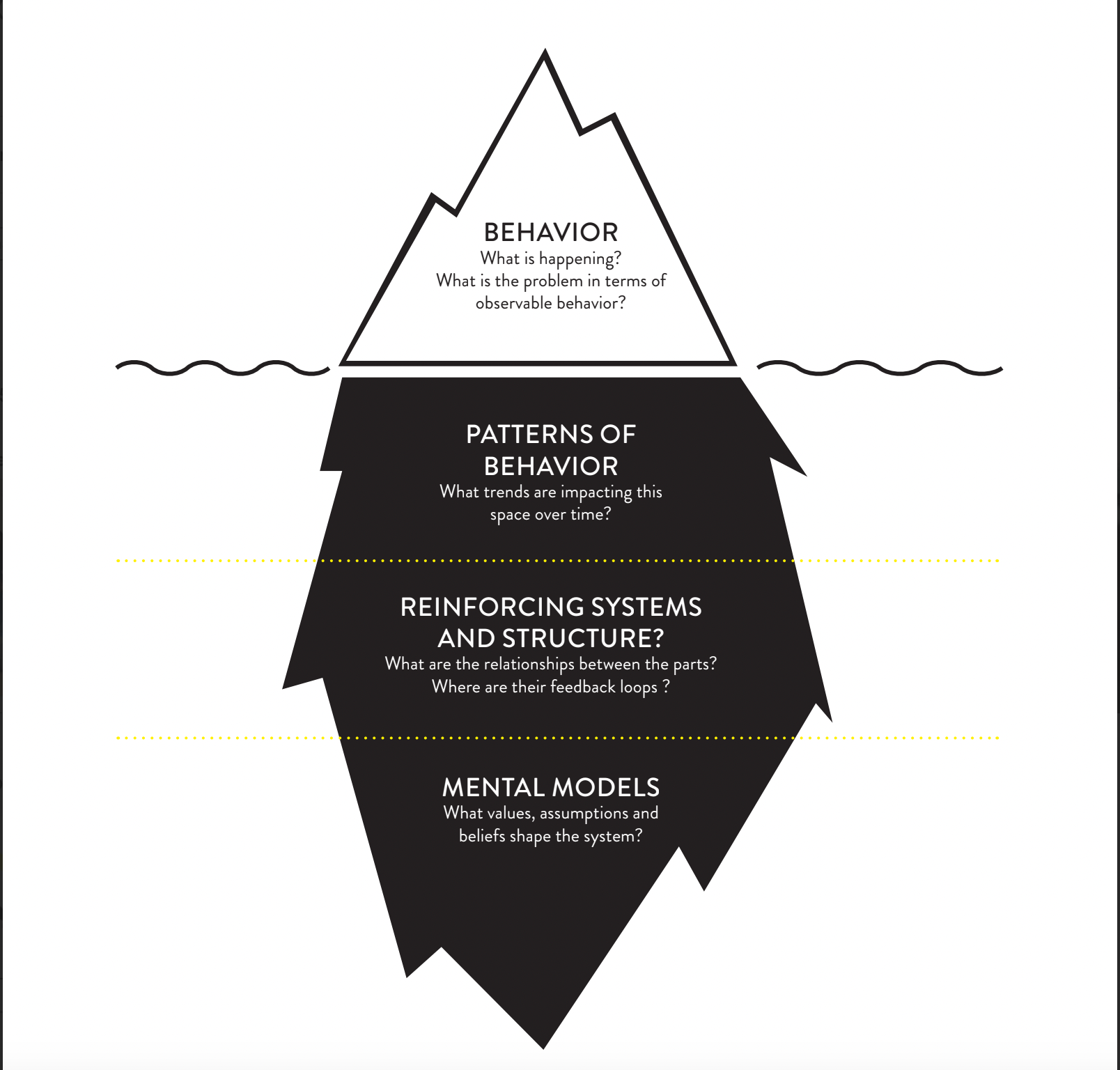

How politicians cause the downfall of societies. It is when they no longer listen to the people and only the powerful. This is the time we are living in.
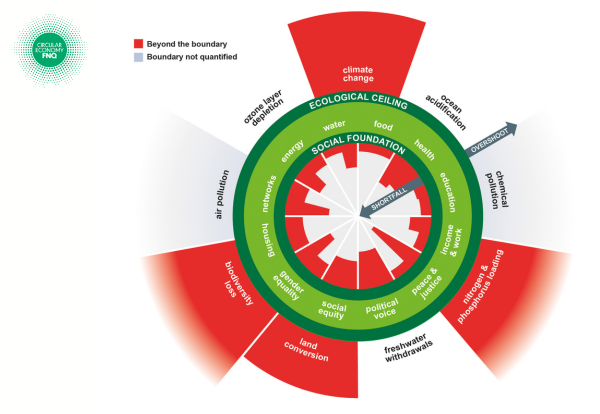
Beyond Nostalgia; Solidarity Politics For An Era Of Collapse
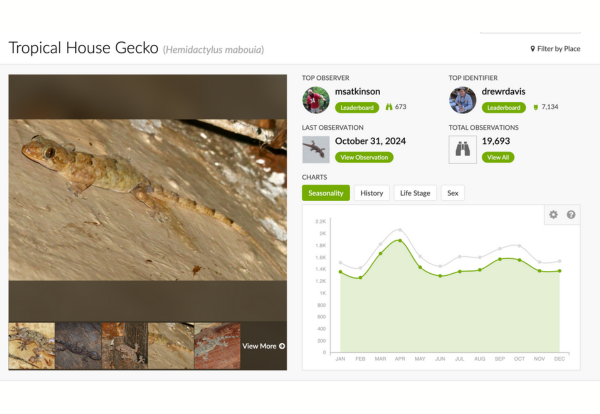
Air conditioners and Geckos don't mix, here's how to make it so.

Biogas is a technology that is centuries of years old but it could within 2 years after installing mean you recoup all the costs and start having free energy.
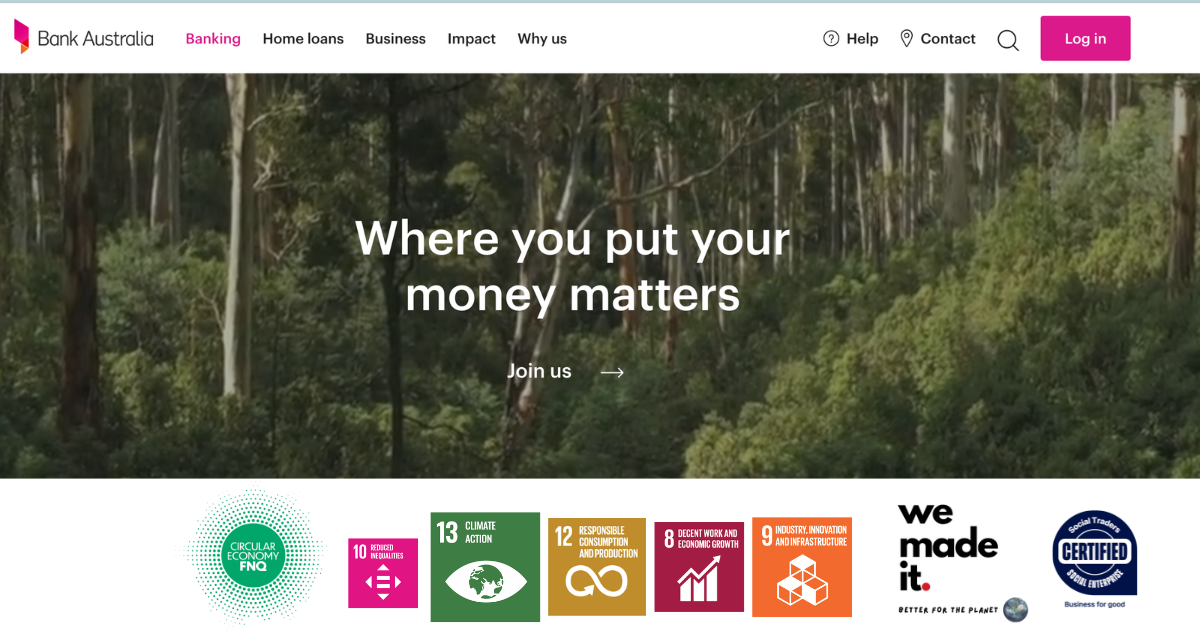
A community lead bank that offers you are lower interest rate for building a green, passive home. Australia Bank

Circular Wardrobe through Air Robe a software that allows people to resell their wares when they tire of them. Resell, Rent or Recycle options

Every day we vote with our dollar in the things we do, use your agency to speak for the people who are risking their lives for our modern life conveniences.

Ai is a hot buzz word right now because it can do the dull work of looking for patterns and trends in the Natural Language Patterns, NLP, of online docs of companies that say they are doing good for People and Planet and may not be.
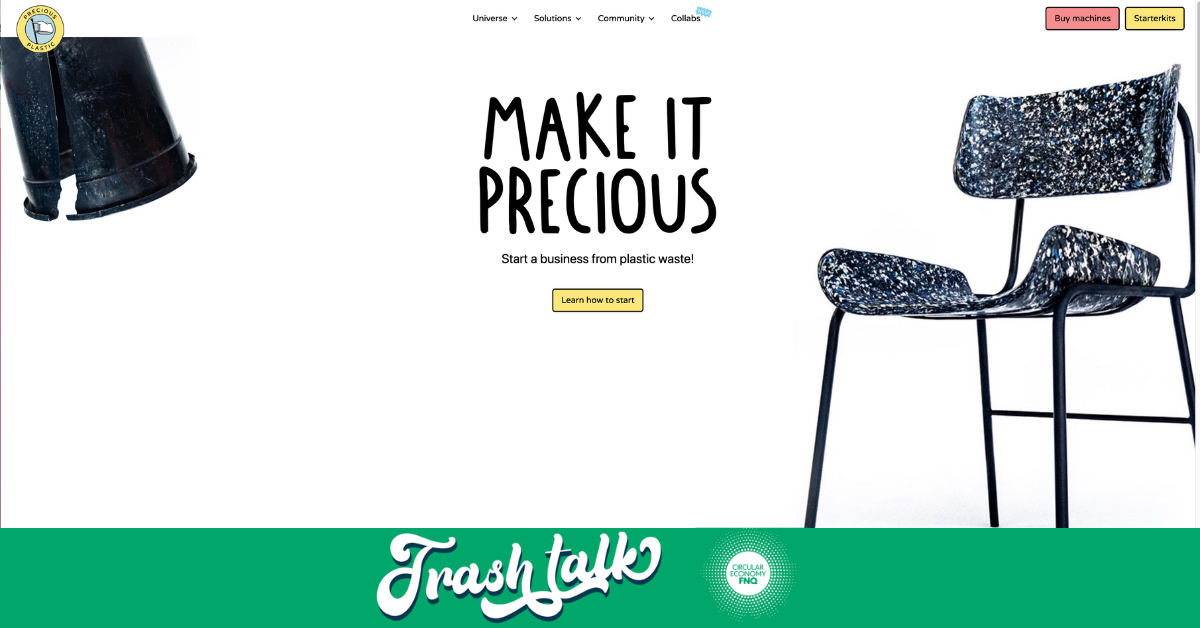
There is an open source solution to processing our plastic waste in place. Something that schools or entrepreneurs can take on.
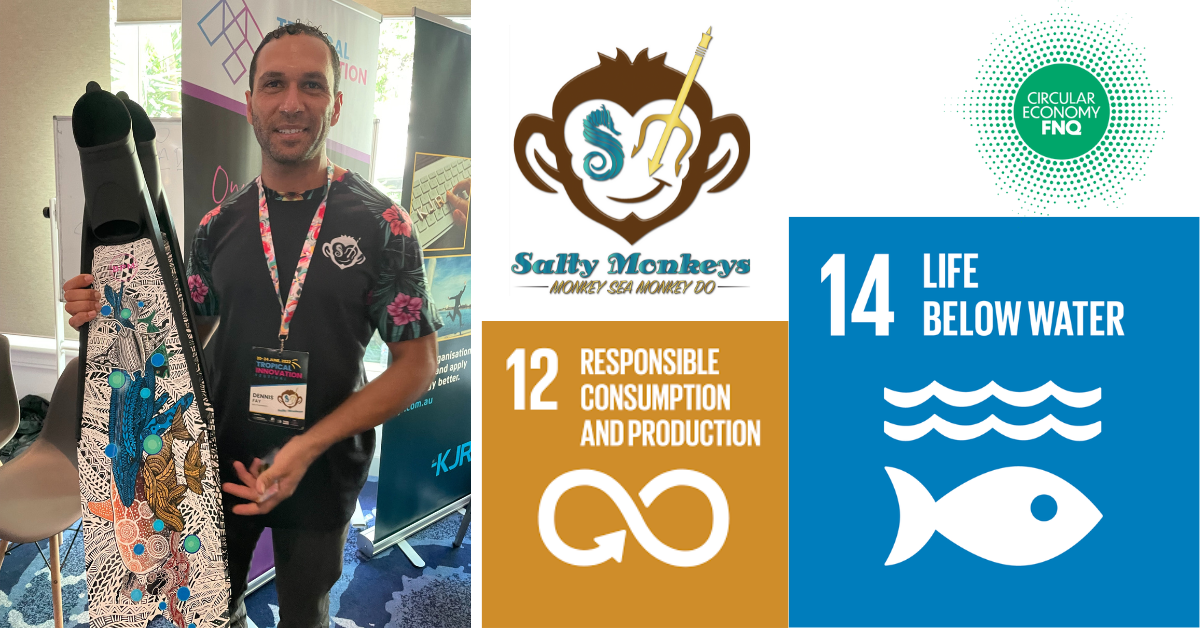
When you live and work near the ocean it's hard to ignore the waste that makes its way into our oceans. Salty Monkeys are not only working on cleaning it up, they have made a product that they use every day in their lifestyle from it.